
Arrest Warrants in Gaines County
An arrest warrant is a written court order that lets an officer take someone into custody. Texas Code of Criminal Procedure Chapter 15 spells out how it happens. A complaint first lays out the facts supporting probable cause. A magistrate then reviews that application and signs the warrant only if the legal test is met. For felony matters in Gaines County, the 106th District Court serves as the main trial court, and the District Clerk keeps the district criminal file. County Court, the JP courts, and the municipal courts handle other kinds of cases. So the right clerk to ask depends on which court issued the paper and what type of case it is.
Gaines County Applications Go Through a Magistrate
Chapter 15 keeps the complaint and the warrant separate. The complaint must name the offense and give facts that back up probable cause; a magistrate does the required review before anything issues. Sheriff's investigators or city police may build the case, but neither agency can replace that judicial step in Gaines County. There is no local online application portal or affidavit search here. A public case page may leave the supporting affidavit hidden, and some law-enforcement material stays restricted. The clerk of the court named on the file is where a request for a releasable record begins.
The statute sets complaint, probable-cause, and execution rules; it offers no Gaines County search portal.
What a Gaines County Arrest Warrant Contains
Gaines County publishes no sample warrant and no local number format. A warrant document is one thing; a public case-search result is another. Before trusting any description of a charge, bond, or status, ask the court for the case reference and the issuing court's name.
| Warrant number | Local format not published |
|---|---|
| Named person | Confirm identity with the court; no public sample schema was found. |
| Charge or offense | Read the complaint or court record available for the case. |
| Issuing judge or court | Identifies the judicial authority and records custodian. |
| Bond or bail | No public countywide bond schedule was located. |
| Date issued | Ask the issuing clerk to verify the date and current status. |
Gaines County Warrant Numbers Have No Published Pattern
No year prefix, court prefix, offense code, or status-code legend is published for Gaines County warrant numbers. Don't guess a format. And don't assume a number from one court will work in another court's records. Ask the issuing office for the warrant or capias reference as it keeps it. Requests for the complaint or affidavit go to the clerk responsible for that case. The Texas Public Information Act does not promise release of every document, since some material is confidential by statute or tied to an active investigation. If a record is only partly withheld, ask for the segregable, nonconfidential portion.
The clerk's page links court rules and legal resources but posts no warrant-status form for Gaines County.
How Gaines County Arrest Warrants Are Served
A warrant in Gaines County may be executed by the sheriff, city police, constables, or another peace officer acting within their authority. The sheriff's site lists patrol, jail, dispatch, and investigations, but it names no public warrant division and no surrender appointment process. An arrest typically leads to booking and presentation to a magistrate under Texas procedure. The published materials promise no set service location, notice, or bond outcome. If you think a warrant exists, get case-specific advice and verify with the issuing court. The Sheriff's Office publishes dispatch for routing, though dispatch cannot guarantee an answer on court status.
Gaines County Service Depends on the Issuing Agency
Service depends on who issued the paper. A county-level matter may run through the Sheriff's Office, while a city case goes to that city's police department. The JP, municipal, county, and district courts in Gaines County do not share one public service page. The sheriff's Law Enforcement Center sits at 305 E Avenue A in Seminole, with dispatch at (432) 758-9871. Administrative office hours differ from 24-hour dispatch. For custody questions, the county links VINELink and its inmate-information page; neither is a warrant database. A felony question goes to the District Clerk at 101 S. Main Street, Room 311. The court judge's mailing address in Lamesa is not a same-day public counter.
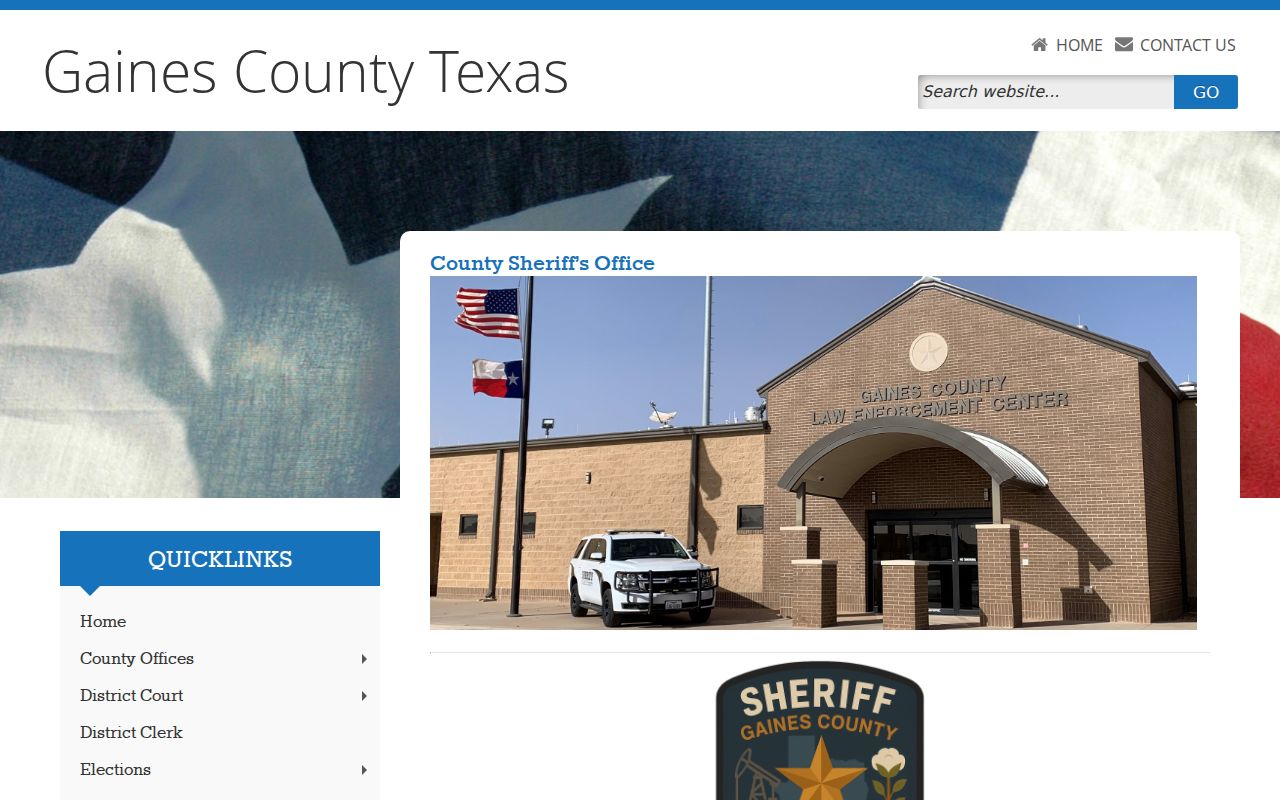
Use the official listing to ask which agency holds the service record.
Arrest Warrant vs Summons vs Bench Warrant
Three papers, three different jobs. A summons tells a person to appear and does not itself authorize an arrest. An arrest warrant authorizes custody based on probable cause. A bench or FTA warrant follows a missed court obligation. Each has a different trigger and a different response, so identify the paper and its issuing court in Gaines County rather than treating every notice alike. See the companion page on bench warrants.
| Feature | Arrest Warrant | Summons | Bench Warrant |
|---|---|---|---|
| What It Orders | Officer may take the named person into custody | Person appears as directed | Arrest for a missed court obligation |
| Basis | Probable cause of an alleged offense | Court process requiring an appearance | Failure to appear or comply |
| Who Issues It | Judge or magistrate | Court or authorized officer | Judge in the court holding the case |
| How to Respond | Get counsel and ask the issuing court about options | Attend by the stated date | Contact the issuing court about appearance or recall |
Federal Warrants in Gaines County Use a Separate Venue
Federal warrants sit outside Gaines County's local system. The U.S. District Court for the Northern District of Texas places Gaines County in its Lubbock Division. That is the venue that matters. A county clerk cannot look up a federal case. Federal docket information comes through PACER or public docket sources rather than a local warrant-status portal, and PACER rules may require an account or a fee. The U.S. Marshals Service lists its North Texas Fugitive Task Force as part of federal enforcement. If a record looks federal, confirm it with the federal court or the right federal authority. A citation vendor cannot fix it. Gaines County staff will send you elsewhere.
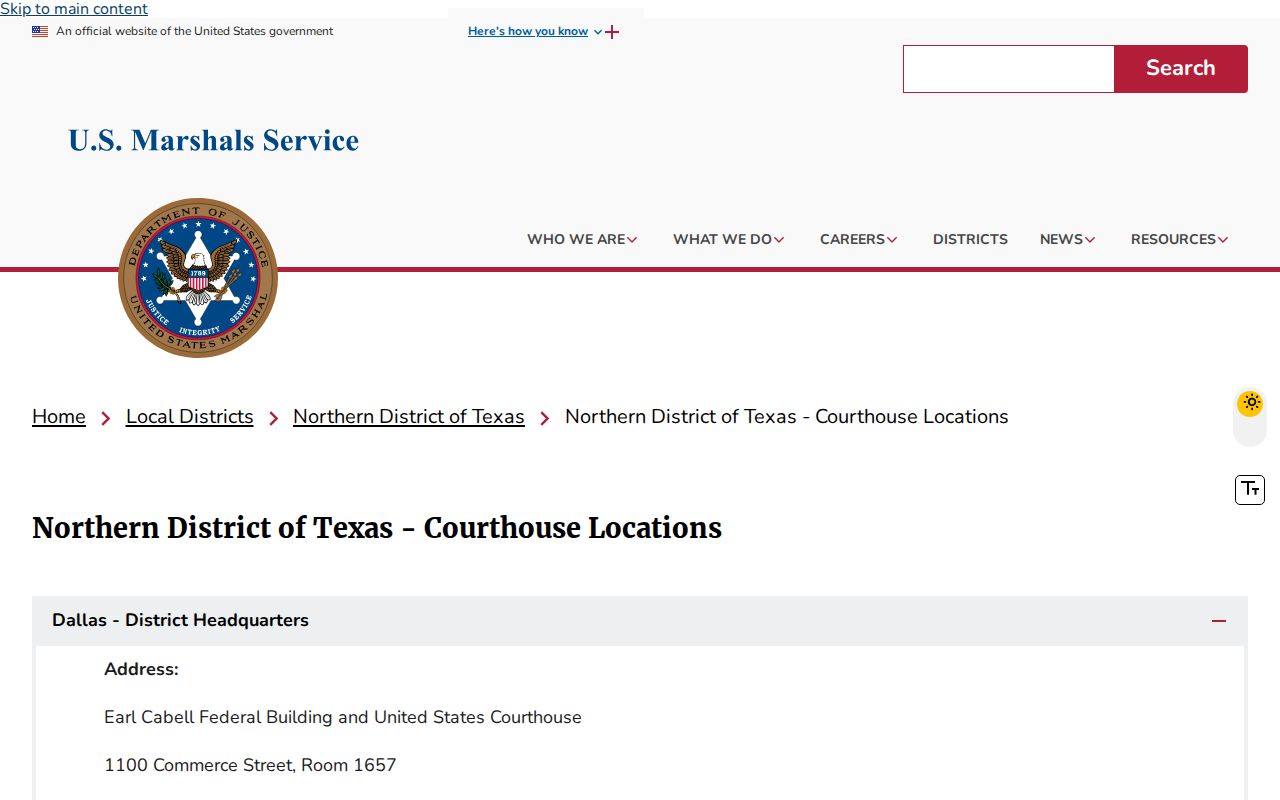
Federal warrant matters do not run through the Gaines County courts or the sheriff. PACER posts its own account and fee instructions for searching federal cases.
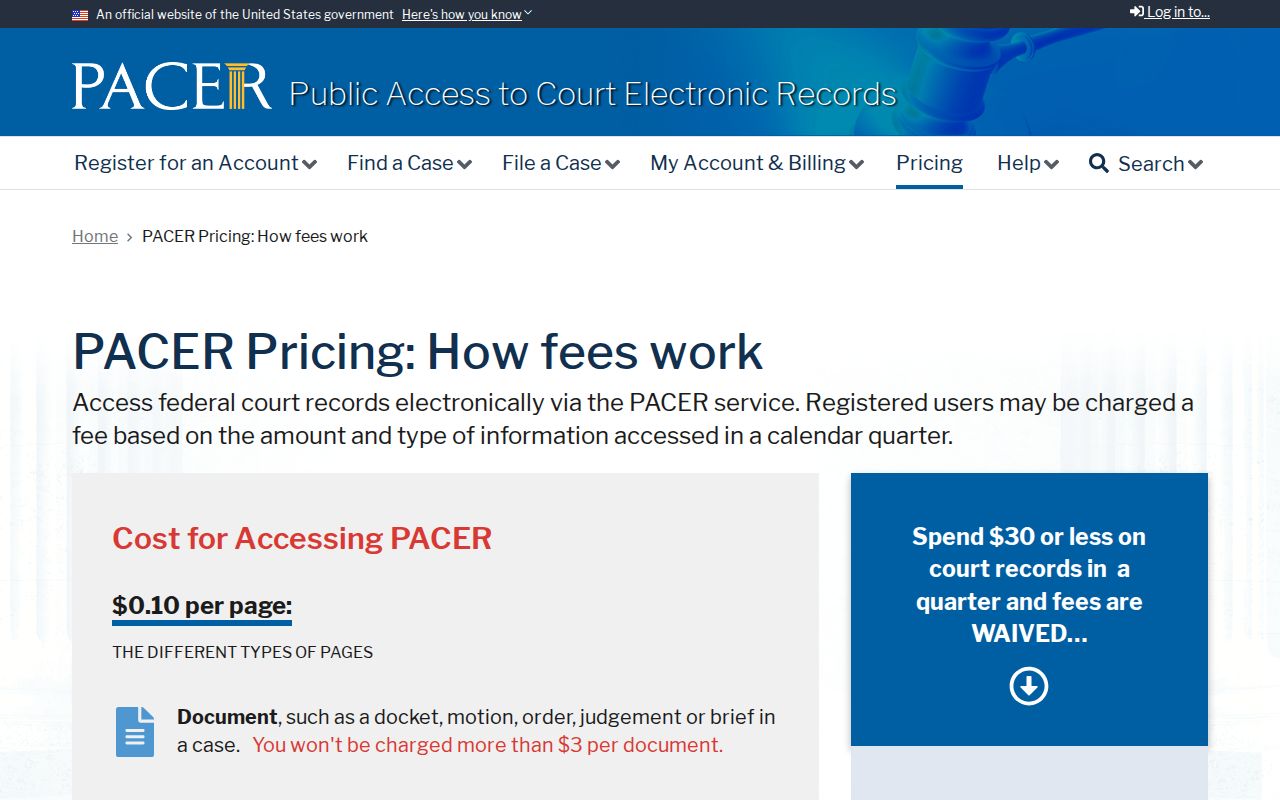
Federal docket access is separate from local court warrant confirmation.
What to Do If There Is a Warrant for You
Before anything else, confirm which court issued the warrant and the case reference tied to it. Then talk with a defense lawyer. A lawyer can weigh whether to appear, post bond, ask for a recall or quash order, or take some other lawful step. Know what Gaines County does not offer, too. The county's public pages list no countywide surrender plan, no online bond portal, and no bond schedule. Showing up voluntarily does not guarantee release, and the court keeps control of the record no matter what step you take. The type of matter shapes your first call. For a suspected felony warrant, reach the District Clerk or the court through its official route and consult counsel before acting in person. For a citation matter, the city court or JP court that issued it is usually the right place to start. A docket date alone is not confirmation that a warrant exists.
Important: Speak with counsel before acting on a possible arrest warrant. Do not treat an online docket or a quiet search page as clearance.
Gaines County Felony Records Start With the District Clerk
Felony cases in Gaines County belong to the 106th District Court, and the District Clerk is the office to start with. Susan Murphree's office sits at 101 S. Main Street, Room 311, in Seminole. It keeps weekday hours from 8 a.m. to 5 p.m. The clerk's page links filing fees, courtroom rules, expunction resources, and general legal information. It offers no public warrant-status form, so ask the office directly about an active warrant. Expect screening at the courthouse door. The District Clerk page notes a basement ADA entrance near Southeast Avenue B, and it is worth calling ahead about a same-day appearance, a records request, or the judge's separate mailing address.
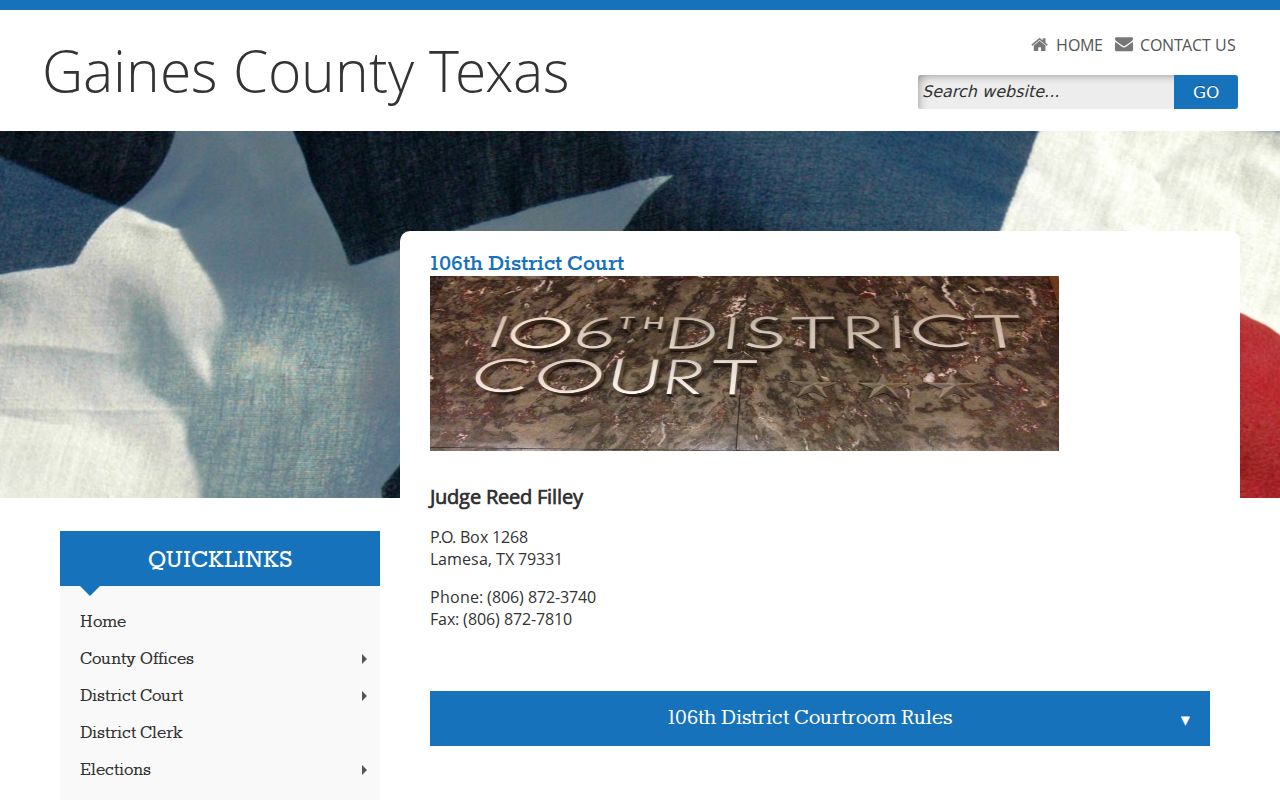
The court page gives judge and courtroom-rule routing; the clerk remains the file custodian.